



Afternoons of Solitude
(Spain/France/Portugal, 125 min.)
Dir. Albert Serra
Prod. Albert Serra, Montse Triola, Luis Ferrón, Pedro Palacios, Ricard Sales
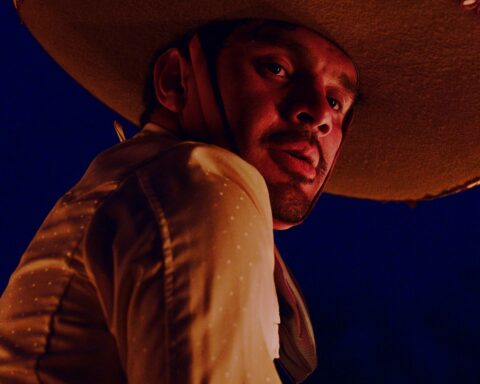
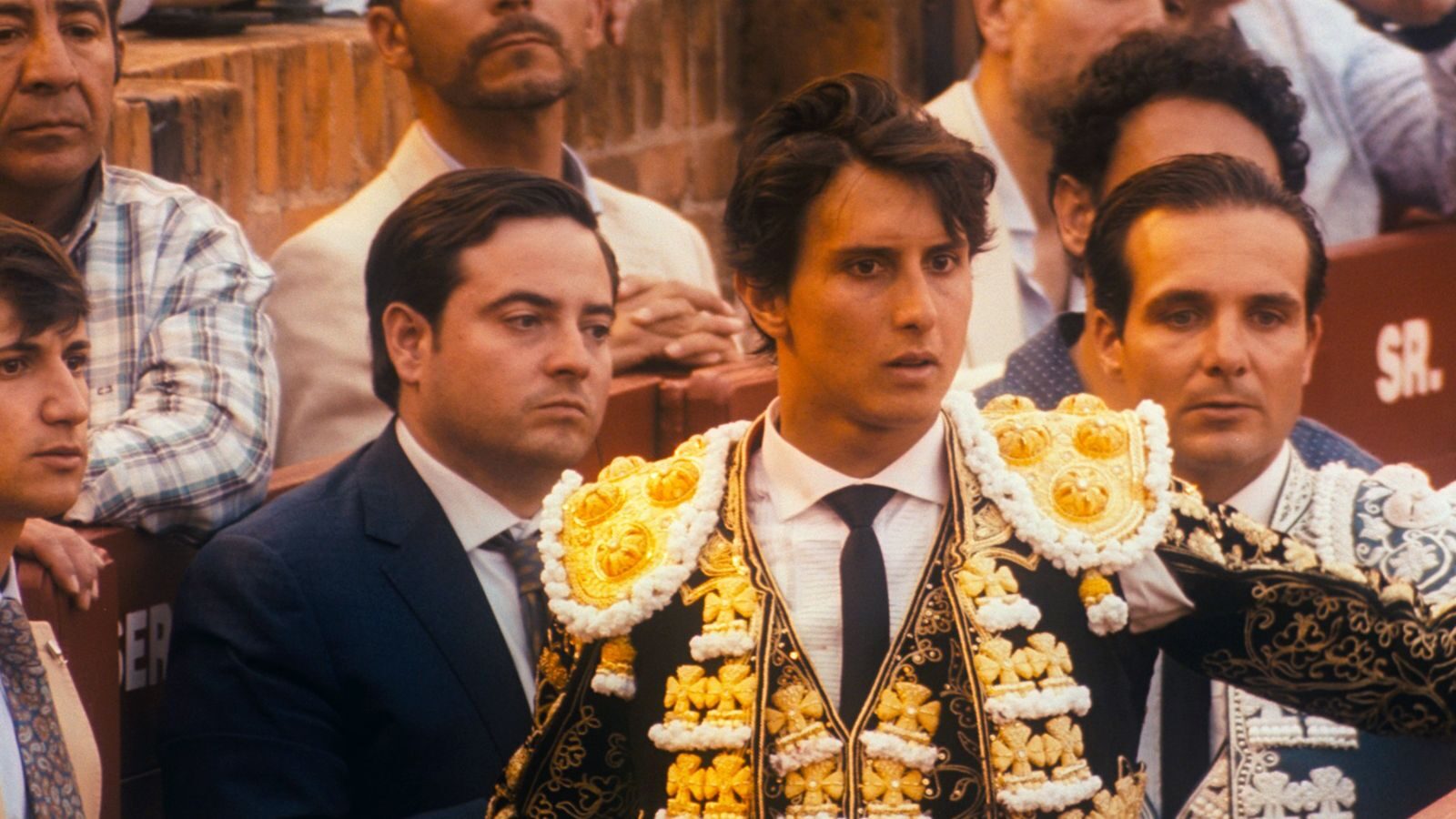
“I was lucky,” matador Andrés Roca Rey reflects in Afternoons of Solitude. The Peruvian bullfighter sits in a limousine after his latest conquest in the ring. His face remains slick with perspiration following his intense showdown with a bull. His clothes are soaked in blood—mostly the bull’s, but some of his, too. However, the members of Rey’s entourage agree that the ferocious bull was borderline criminal: a mean and ferocious mofo who got what he deserved. They praise the size of Rey’s balls and proclaim them the largest the ring has ever seen. After besting such a beast, could there be any greater measure of a man?
As far as measures of a man behind the camera go, there are few examples as fine as Afternoons of Solitude. This ballsy documentary by Albert Serra steps into the ring to capture the beauty and brutality of a time-honoured, if increasingly controversial tradition. The film methodically observes the intensity and artistry of bullfighting as Rey tangos in the ring with the bulls. It’s not an easy watch for anyone with an affinity for animals, but Serra masterfully captures the complexity of the sport in an ambitiously objective manner. No matter your take on the sport–love it or loathe it–this doc’s a work of true art.
Afternoons of Solitude steps into the ring with Rey and his fellow matadors for a few intense showdowns over a season. Serra (The Death of Louis XIV) captures these bullfights with extended bravado, as a single showdown can run upwards of half an hour in the film, depending upon how much fight the bull gives. Both the beast and the bullfighter alike display remarkable stamina. As do the camera operators, as the exquisitely shot film gets right into the thick of the action as handled camera work conveys the intensity of the tango.
Rey methodically toys with the beasts. Rey confronts the bull with balletic poise, striking him with speared markers that pierce the beast’s flesh and tire him. Afternoons of Solitude observes how the tassels atop these markers flow with clean white material, but they gradually become deep red as the animal bleeds out over the course of the battle. These animals die slow and obviously painful deaths. Moreover, the durational approach to the fights refuses to shy away from the bloodsport. As the shot holds, one feels the agony of the bulls alongside the ecstasy of the crowd.
Every bull puts on a good show, though, as they fight for their lives against Rey’s sword. The matador teases them with his red flag. He tuckers them out as they run in circles. But as the matador strikes one blow after another, sometimes tag-teaming with his assistants, the outmatched bull inevitably succumbs to what’s not a fair fight. Each bull, no matter how strong and mighty, sways with fatigue as his tongue droops from his mouth while the fights go on. The bulls refuse to give until the matador lands his fatal blow.
The bulls get their licks in too though. Watching Rey duel with the bulls is like witnessing Tom Cruise commit death-defying stunts in Mission: Impossible. One grasps a sense of the fatalistic thrill of the adventure. But there are very close blows, and the physical and mental toll reveals itself as the fights progress. But Rey remains the people’s hero. The harder the bull hits back, the louder the crowd praises the matador’s balls. His manhood is a fish story that keeps on growing.
Serra deftly considers what it means to be a man thriving in a sport from a bygone era. Each face-off sees Rey arch his back like a rooster and strut his stuff like he’s the cock of the walk while the bull pants and paces. But the film often cuts away from the matador as he goes in for the kill. More often than not, the film leaves audiences to witness the death of the animal before horses cart its massacred carcasses from the ring.
The framing and editing respect the animal’s dignity best they when the action allows. Alternatively, the shot often cuts to the bull when it suffers a particularly brutal death and gasps its last breaths. This pensive gaze of the bullfight acknowledges that beauty and bloodshed can coexist in the same sport. Audiences might rightly find the bullfights thrilling, while others may be equally justified in calling it barbaric.
But Afternoons of Solitude also captures what it means for a tradition to endure. The rhythmic cadence of the film lets audiences ride along in the limo with Rey and company before and after the matches, while glimpses into his hotel room observe the tedious ritual of donning his immaculate garments that will soon be soaked with blood. As the fights go on, Rey chooses darker costumes. They look stunning, but the film’s deepening colour palette suggests that the matador knows his time is limited. The camera rarely gazes upward in Afternoons of Solitude, but the matador himself invites an image of a setting sun.