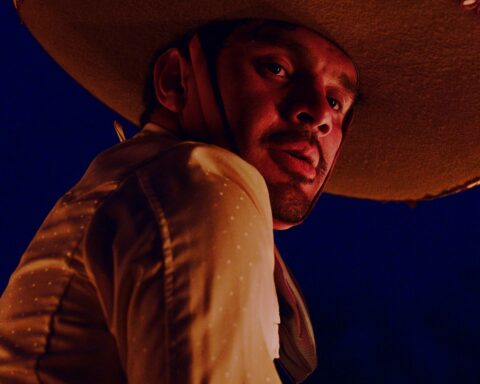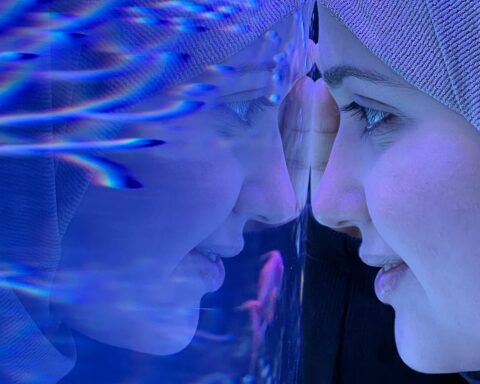



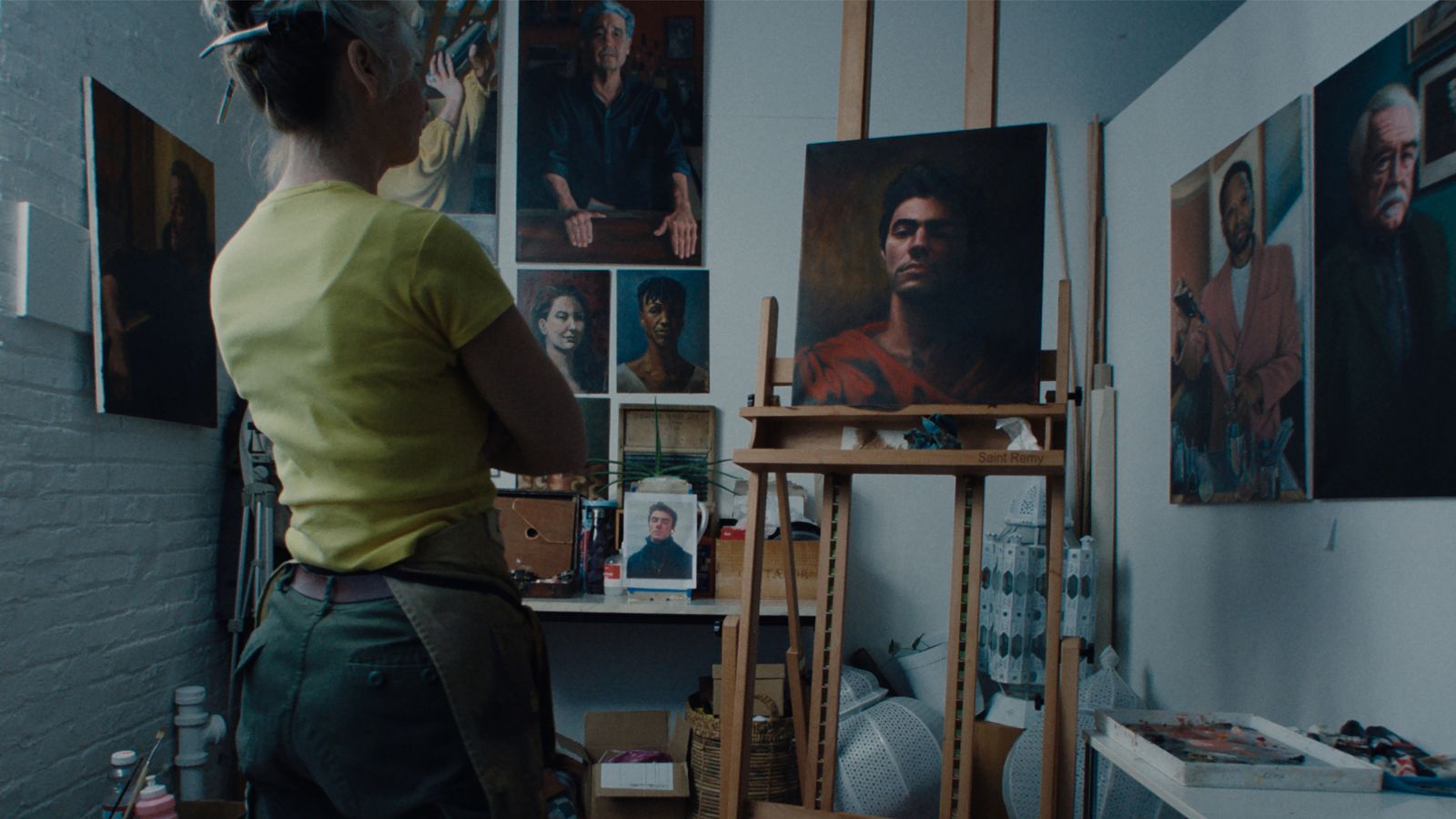

A peculiar question runs throughout the Sundance short documentary Luigi: Does it make a difference if an alleged murderer is ugly or extremely hot? Director Liza Mandelup (Jawline) considers the strange case of Luigi Mangione, who quickly proved our collective preference for bad boys when he became the Internet’s boyfriend overnight after his was accused of killing Brian Thompson, the CEO of United Healthcare. Luigi features a handful of Mangione’s many admirers who pen love letters to the alleged killer, share their fantasies about what they’d do to or with him—one woman admits she doesn’t know whether she’d rather make love to him or mother him—and in one case, paint a divine portrait that becomes a hot commodity. It’s a case study in online mania.
Luigi boasts a great sense of humour as it reflects the peculiar circumstances that generate instant celebrities. Moreover, in just a few minutes and using a handful of carefully curated characters, Mandelup deftly explores darker questions about human nature. There’s a collective thrill, if not a reckoning behind these perspectives. On one hand, the interviewees all want to jump Luigi’s bone, but on the other, they admire him as a Robin Hood character correcting a societal ill. But there’s a larger question of superficial phrenology behind these stories. Whether Mangione’s bad boy looks offer a mitigating factor in the public eye invites a collective wake-up call, but so does the Internet’s quest to prove his innocence: is his potential guilt his sexiest asset? Luigi inspires a hearty swipe to the right for its playful consideration of the implications behind this query. Perhaps hotness merits a collective insanity plea.
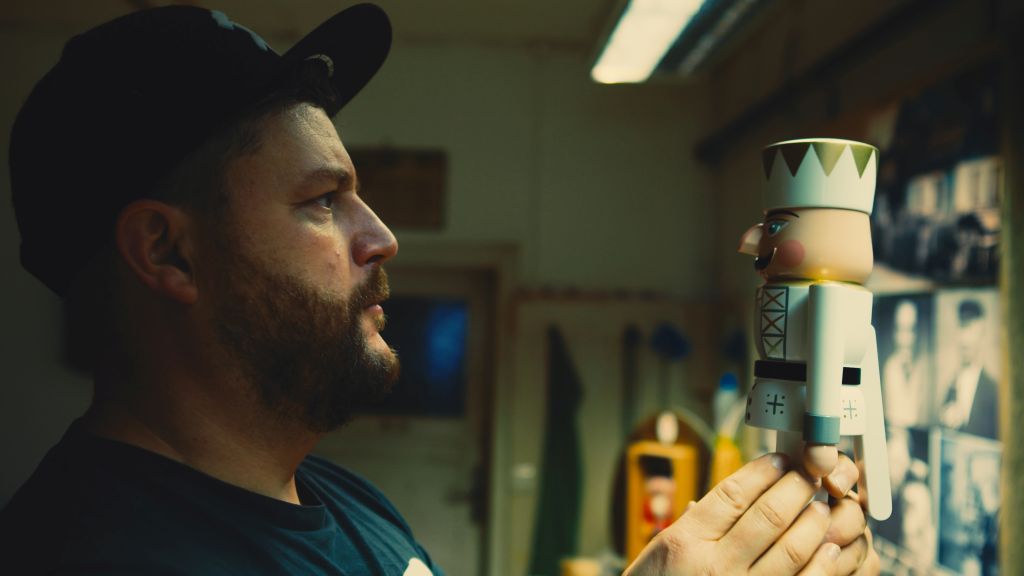
There’s a great sense of play, too, in The Chimney Sweeper. This offbeat character study from director Jack Raese finds a terrific storyteller in Markus Füchtner, whose great-great-great grandfather invented the nutcracker doll. Raese observes as Markus fashions nutcrackers out of wood, shaping them and sanding them, and decorating their signature jawlines. However, as Markus shares the tricks of the artisanal practice, he admits that the woodwork was never his dream. He says he wanted to be a chimney sweeper growing up, perhaps enthralled by his family’s romantic connection to Christmas. However, as one father after another inherited his family business, Markus came to accept his fate. As the eighth generation nutcracker baron, the tradition serves him well.
Raese observes how it takes a certain character to excel in such a business. This intimate production captures the personality traits that keep Füchtner’s family tradition alive and fresh. But there’s also an amicably infectious sense of humour to the character study. For a guy who makes nutcrackers, Markus seems a little nuts.
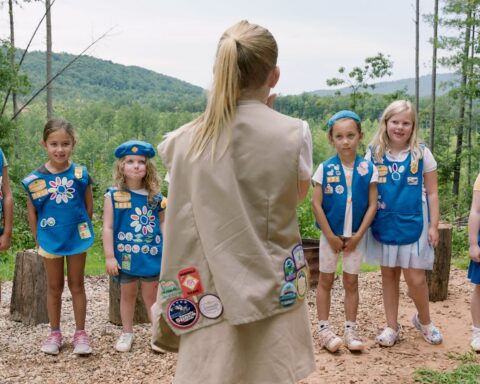
Family business also finds itself at the heart of The Boys and the Bees, Arielle Knight’s Jury Prize winner for Non-Fiction. The film takes audiences to a farm in rural Georgia where a mother and father teach their sons about the family beekeeping business. This handsomely shot film goes with the flow as the beekeepers invite viewers to slow down and attune themselves to this way of life. There’s a different energy and mindset required as the apiary inspires a sense of calm amid the buzzing of the bees.
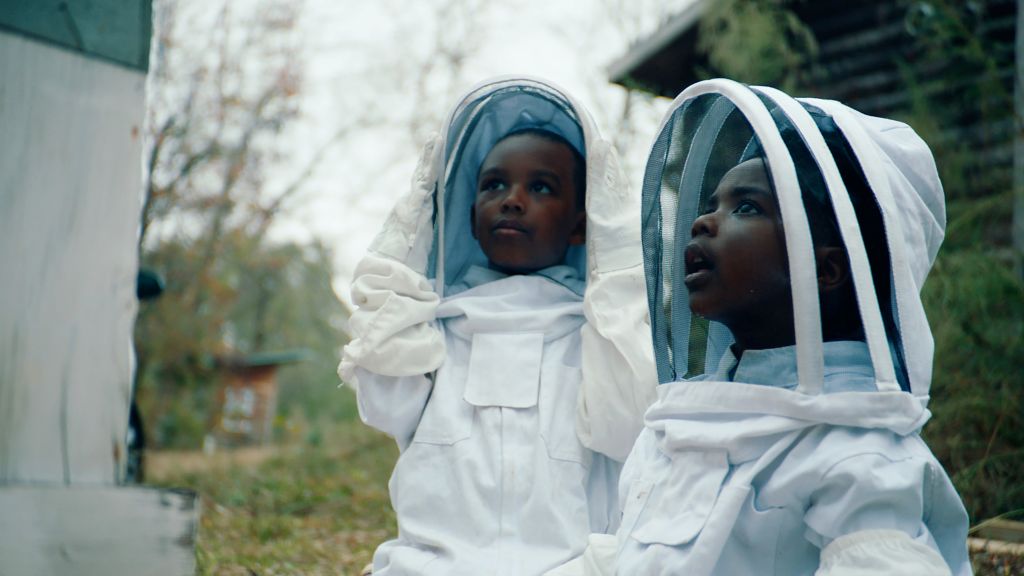
The father finds a productive teachable moment with all these buzzing, too. He teaches his sons to learn the bees’ rhythms to understand their movements and habits, but also to gain their trust and avoid stings. One lesson sees a son boast that he’s the only family member yet to be stung by a bee. His dad invites him to feel the prick of a bee’s stinger. But as the boy braces himself, the bee won’t bite. As the insect waltzes atop the dad’s fingers, it shares the boy’s innocence and rewards his bravery. This poetic slice of life portrait is well-paired with The Chimney Sweeper as it shares the power of intergenerational wisdom and traditions that endure between families.
On the more sombre side of the Sundance short docs programme are two films that tackle compelling stories somewhat heavily. The alarmist STILL STANDING, for example, looks to the dilemma of homeowners whose houses survived the 2025 Eaton Fire. Figures in protective suits wade through empty homes. Stories of concerned residents appear in voiceover as domestic settings fill the frames. Insurance companies deem the vacant houses habitable, but as people in facemasks and PPE sift through their possessions, they wonder if the toxic ash that cloaks their home makes it safe to return. The end title cards says there’s no formal system in place to regulate the safety of toxic ash, and the film gets an important story out there while there’s still time to help the affected parties.
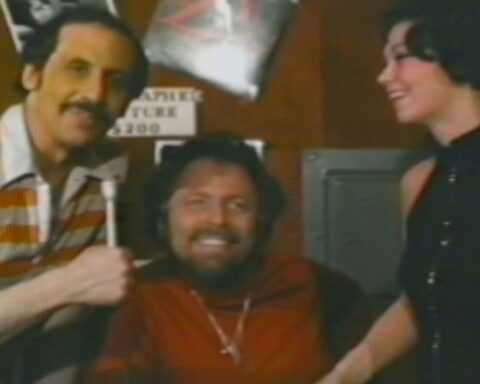
Meanwhile, a formalist approach somewhat misses the mark in Going Sane: The Rise and Fall of the Center For Feeling Therapy. The film invites a group of actors to form a healing circle and lip-sync the stories of people who survived a utopian therapy centre in 1970s’ Los Angeles. There are compelling perspectives here about the abuse that participants faced in the cult-like clinic. However, the lip-sync conceit undercuts the gravity as the actors struggle to deliver much affect while mouthing the words as closely as they can. This disconnect creates a therapy session where one hears the words, but never really feels them.
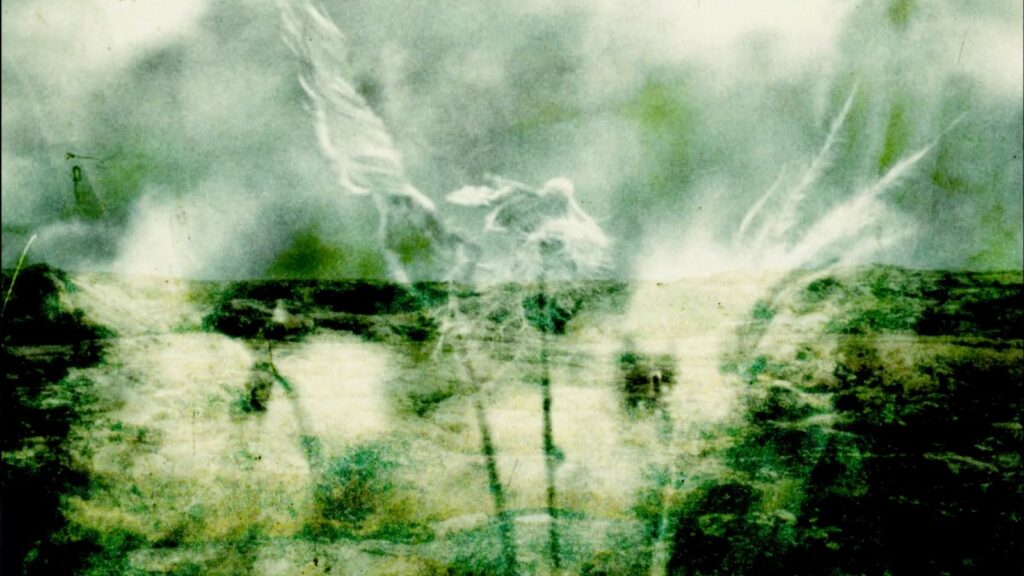
Questions of form drive a hypnotic interplay between materials in Tuktuit: Caribou, Lindsay Aksarniq McIntyre’s visually striking experimental work. The film calls to mind Lisa Jackson’s similarly evocative Lichen with its layered close-ups of flora that expand into a larger meditation of environmentalism. Using macro shots and double exposure, the film plays with the tactile qualities of lichens and animal skin alike, weaving portraits of the life cycles of the Earth with traditional practices to shear and treat animal hides. Aksarniq McIntyre furthers the sensorial exploration of flora and fauna with a handmade caribou gelatin emulsion that pays homage to the animals that gave their lives for these materials. She honours them by literally making them part of the film’s design. This is a poetic exploration of the layers of history within each living thing on Earth.
Finally, the easy standout in Sundance’s short documentary programme is the short slate’s overall winner. The Baddest Speechwriter of All certainly deserves its Grand Jury Prize. This engaging biography from Ben Proudfoot and Stephen Curry profiles Clarence B. Jones, who helped share the course of history as Martin Luther King Jr.’s lawyer and speechwriter. The film follows the style that’s become Proudfoot’s signature in documentaries like The Queen of Basketball and The Eyes of Ghana as it uses an Interrotron interview to meet its subject at eye level. Jones’s direct address testimony to the camera offers documentary gold. He’s a great orator with whip-smart comedic timing: you can’t write a good speech without knowing how to deliver one.
Jones shares some great stories about how King would non-violently put his foot up ass in service of the movement. There are great anecdotes, like the time Jones picked up $100,000 at a bank and, to his surprise, had to sign a promissory note. When he called Harry Belafonte to express his shock, the singer simply said, “Better you than me,” and hung up.
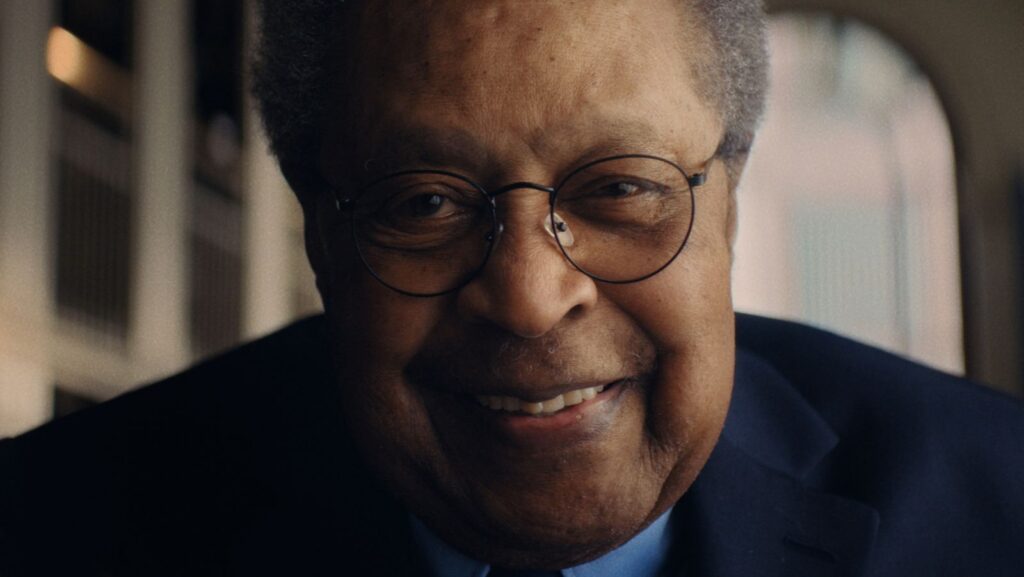
The Baddest Speechwriter of All flows with a jazzy rhythm as it weaves Jones’ testimony with archival images and animated vignettes that capture his childhood as well as his moments with King. The idea of a jazz riff brings the documentary to the highlight of Jones’ career. He remembers the historic march of August 28, 1963 when King gave a speech for the ages. Jones proudly recalls how King delivered every word of the first seven paragraphs of the speech, but then paused and changed gears when Mahalia Jackson called upon him to tell the crowd about “the dream.”
As Jones playfully looks into the camera with a twinkle in his eye, he conveys how two colleagues from different walks of life can come together to forge a secret sauce with universal appeal. While Jones admits that he didn’t share King’s philosophy of non-violence, he conveys with heart and humour how words are the mightiest weapon of all.