



Jaripeo
(USA/Mexico/France, 70 min.)
Dir. Efraín Mojica, Rebecca Zweig
Prod. Sarah Strunin
Programme: NEXT (World premiere)
Cowboys often epitomize masculinity in the movies, but they’re equally icons with which to deconstruct the measure of a man. Just look at the playful presence of chaps in gay culture. And while rodeos might serve as the biggest celebration of manliness on the surface as cowboys ride bulls to prove who the burliest beast is, they find a collision of gender expressions in Jaripeo.
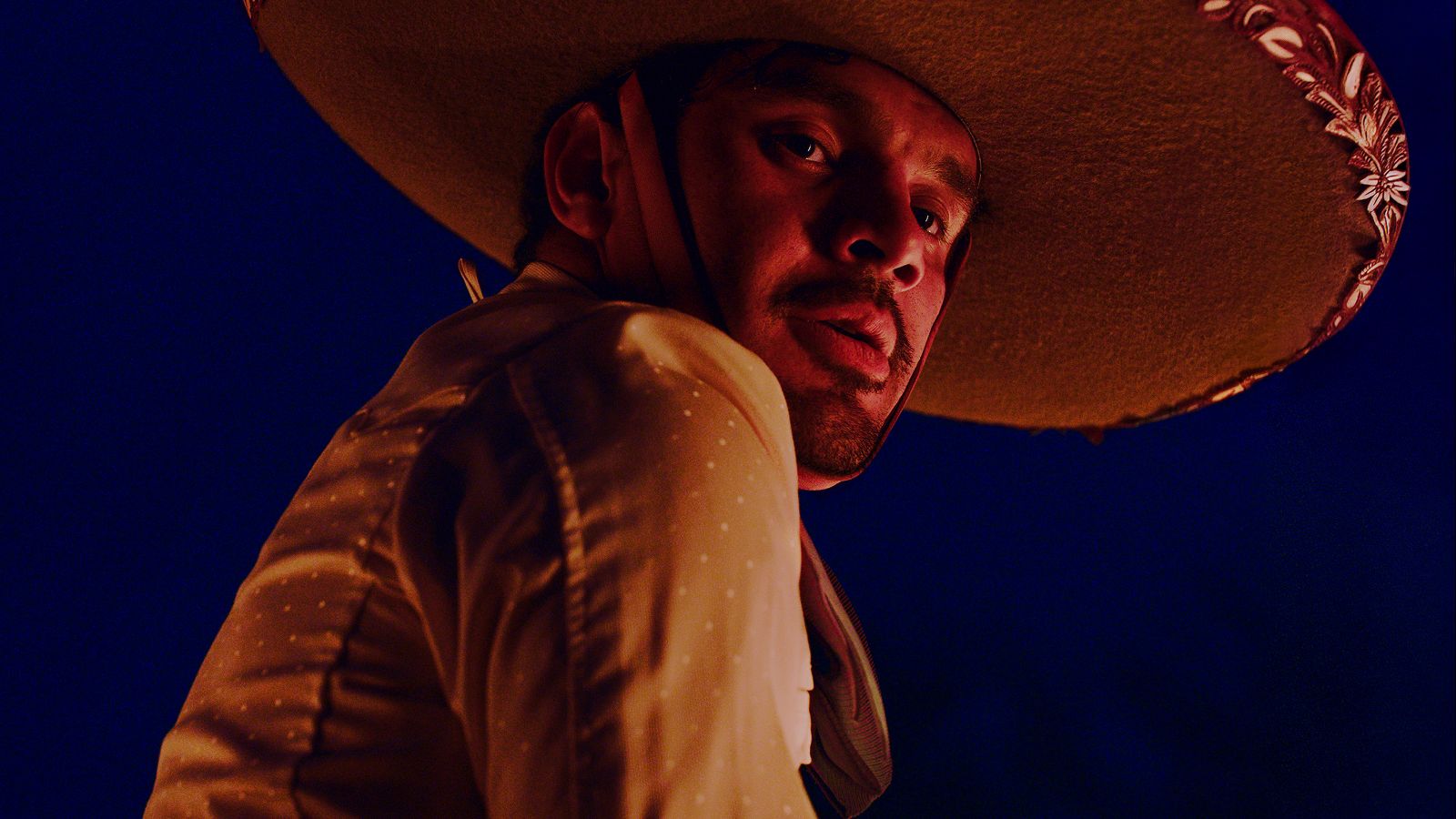
This eye-catching hybrid documentary by Efraín Mojica and Rebecca Zweig takes audiences to the annual jaripeo in Penjamillo, Michoacán. Mojica, who hails from the area, explores the jaripeo as a strange place where men find their true selves beneath the performance of masculinity. Hidden gestures, coded language, and sideways looks teach them about a subculture that lives out in the open and defies small-town sensibilities in Central Mexico.
Mojica serves as both subject and surrogate as they tell Zweig about what it means to grow up as a queer person in small town Mexico. As the filmmakers gaze through Mojica’s cracked windshield and study the beautiful landscape at dusk, Jaripeo considers the stories behind the men whose subtle gestures and careful practices operate in secret outside the rodeo. The film focuses on two Michoacanos, Noé and Joseph. The former is a burly beefcake who juggles his roles as cowboy and nurse. The latter plays the flamboyant diva as a make-up artist and rodeo fan. They’re on opposite ends of the spectrum with Noé encapsulating the zenith of masculine stereotypes with his rippling muscles and modest demeanour. Meanwhile, Joseph serves a potpourri of butch-femme with glitter and make-up accentuating his beard and flamboyant mannerisms.
Jaripeo finds an especially compelling figure in Noé, whose candour comes across as more intimate and authentic. He takes the filmmakers out to the corn fields where he often enjoys his hook-ups. Amid the safety net of tall stalks and moonlight, plus the flood of the high beams from Mojica’s truck serving a practical bit of gaffing, he opens up to Mojica, candidly telling them all about his life and his loves, or lack thereof, with the candidness of a first date. He clearly has few outlets where he can be this sensitive and soul-bearing.
Both participants open up about the significance of jaripeo culture, but also share with the filmmakers what it means to grow up queer in isolation. Noé admits that he’s out to some friends but not his family. He prefers masculine men, too, and finds effeminate guys a turn-off. “I’d just date a woman,” he admits, looking down at the ground somewhat awkwardly, casting his gaze away from the comparatively less masculine interviewer who can’t help but laugh.
Joseph, meanwhile, shares what it means to be the first person in his community to come out and how having a quinceanera told him that his friends loved and accepted him. But he too has an atypical relationship to queerness: he only hooks up with straight men. (Or “straight” men as Mojica teases.) As Jaripeo weaves back and forth between the rodeo and the domestic settings in which the cowboys navigate their daily relationships, the film asks why someone serves as a mascot for the community one day and an outsider the next.
Using a mix of Super8 footage to capture some highly stylized interludes, the film returns to the jaripeo between these interviews. Cinematographers Josué Eber Morales and Gerardo Guerra capture the action with an immersive eye for vérité, often finding moments that buck convention, like young riders who hesitate and weigh the risks of mounting a bull for show, or riders who fall hard and run off to puke. In one gorgeous sequence, the camera follows a drag queen as she navigates the crowd, ducks the fence, and holds court in the arena. Men fall around her, but she stands tall in killer boots. Formally, the film mirrors its subjects. It defies traditional containers of cinematic expression.
Jaripeo reframes the rodeo anew as more challenges to traditional gender expressions enter the frame. Neither celebration nor elegy, Jaripeo finds a community gathering where all types—masc, femme, and everything in between—mingle gaily. The horse and bull events fuel the crowd as audiences revel in a shower of cervezas and tequila shots. As the party ends with a dance and bodies melt together in the throb of a techno beat, Jaripeo observes a fleeting ritual where identities and labels don’t matter. But as the cameras follow the cowboys throughout their magic hour reveries, the film pensively ask why an oasis of acceptance remains but an annual affair.